 English
 中文简体
中文简体 日本語
日本語 Español
The move toward bio-based materials is creating new options for automotive interiors, furniture, footwear, bags, and other applications that traditionally rely on leather or synthetic leather. Yet choosing a material based only on its bio-based content can create problems later if its flexibility, surface behavior, or durability does not match the intended application. For overseas buyers evaluating Bio-Based Leatherette, the more useful question is how the material performs in the real product and whether its construction can support the required processing and service conditions.
Start With the Application, Not the Material Name
Different products place different demands on leatherette. A material used for a decorative panel may have different requirements from one used for seating, upholstery, or frequently handled products.
Before selecting a material, buyers should define the application clearly. Important considerations may include surface contact, bending, stretching, abrasion, temperature exposure, cleaning, and the required appearance.
This information gives manufacturers a practical starting point for recommending a suitable construction rather than treating every bio-based material as interchangeable.
Flexibility Matters During Forming
Leatherette often needs to follow curves, corners, seams, or shaped surfaces during manufacturing. A material that looks attractive on a flat sample may behave differently when stretched or formed.
Recent research into bio-based leather alternatives has highlighted differences in elongation, elastic recovery, and resistance to permanent deformation among different material structures.
For engineers, this means flexibility should be evaluated together with the intended forming process rather than treated as a secondary feature.
Look at the Complete Material Structure
A leatherette product is more than its visible surface. The face layer, substrate, bonding structure, thickness, and finishing process can all influence how the material behaves.
When assessing a material, buyers can ask about:
- Surface construction and finishing
- Substrate type
- Overall thickness
- Flexibility and recovery
- Resistance to repeated bending
- Compatibility with cutting and sewing
- Available surface textures and colors
Looking at the complete structure makes it easier to compare materials according to their actual application.
Durability Should Match the End Use
Bio-based does not automatically mean suitable for every demanding application. Durability requirements should be connected with how the finished product will be used.
For example, an interior material may need to tolerate repeated contact, cleaning, temperature changes, or continuous deformation. Recent automotive material development is also placing attention on bio-based and recycled inputs while maintaining requirements such as durability, appearance, and environmental performance.
For procurement teams, this makes application-specific testing more useful than relying on a general sustainability claim.
Surface Appearance Still Influences Product Value
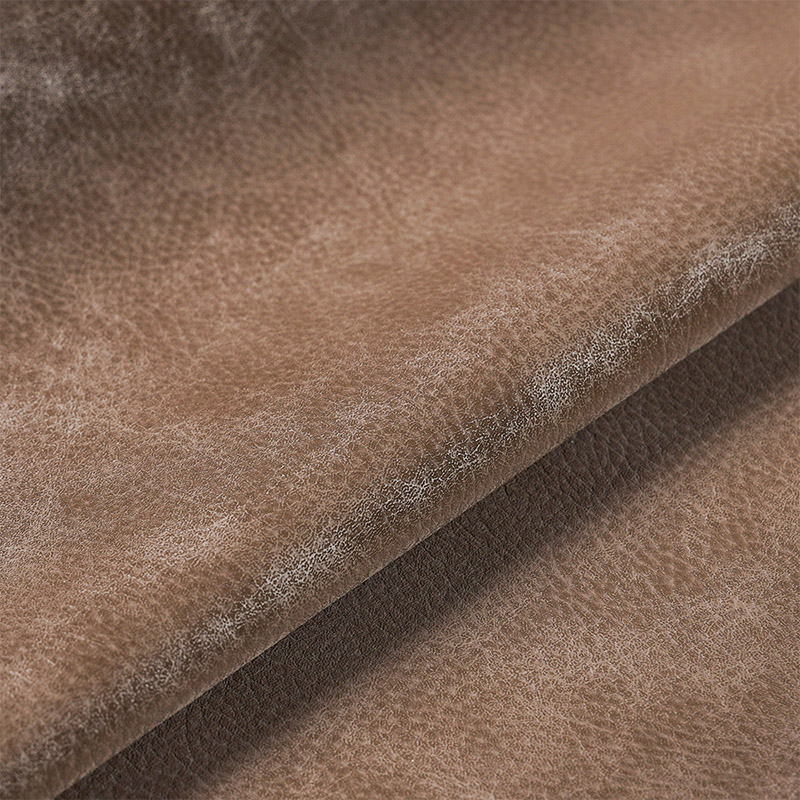
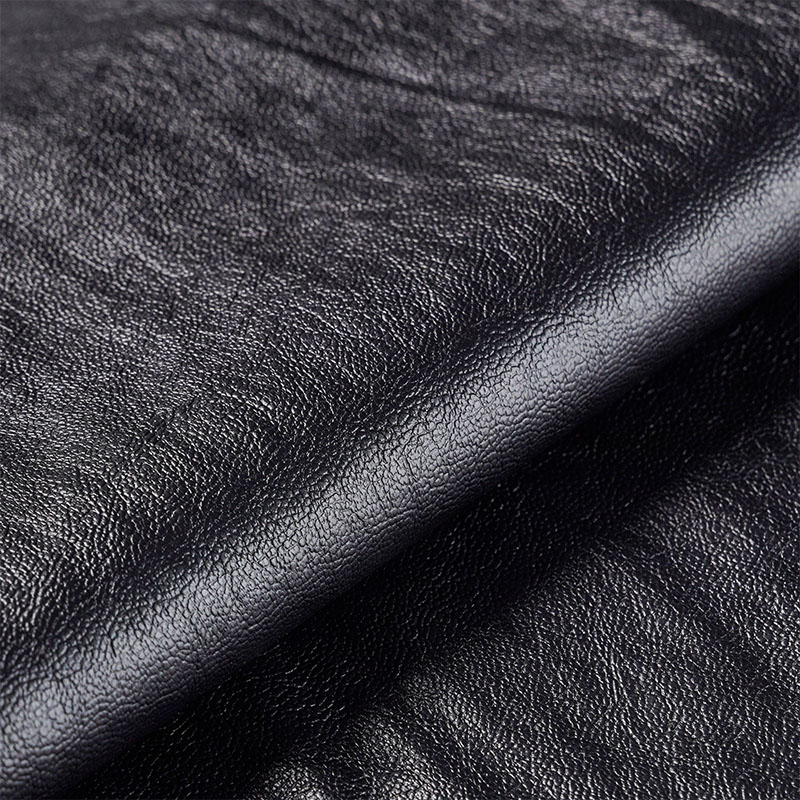
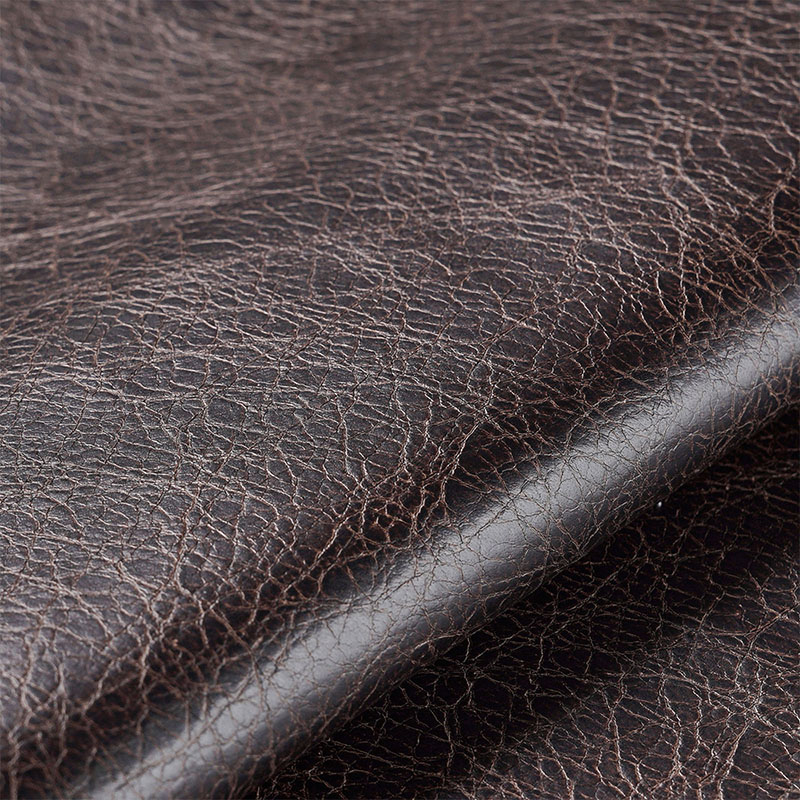
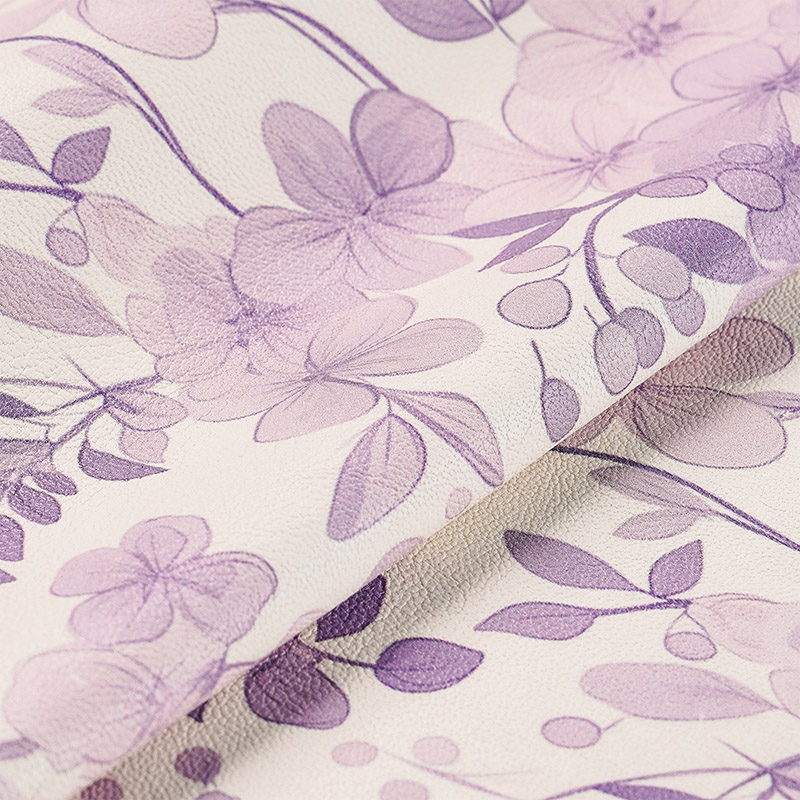
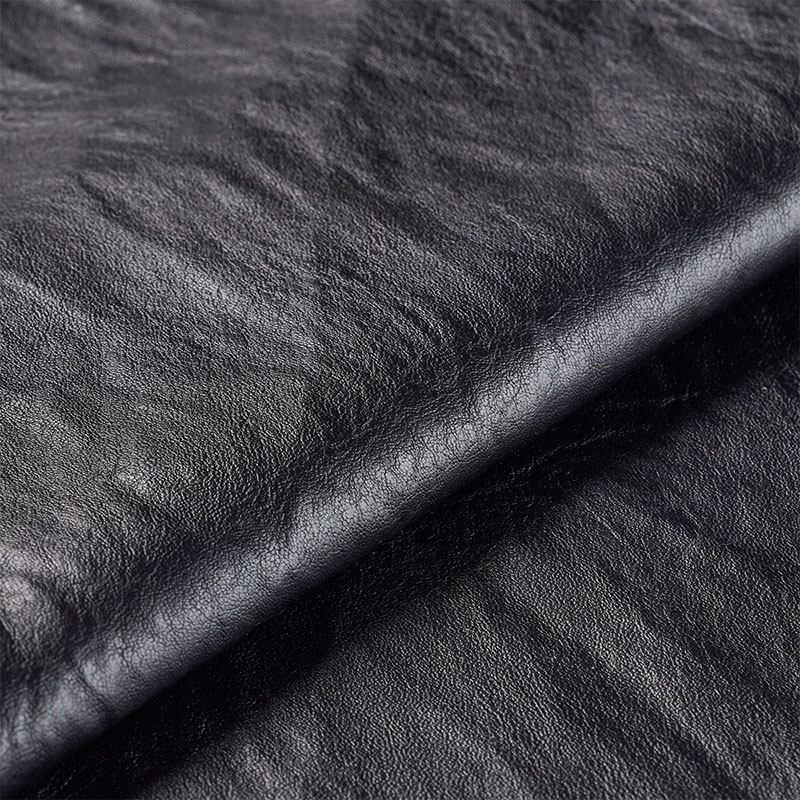
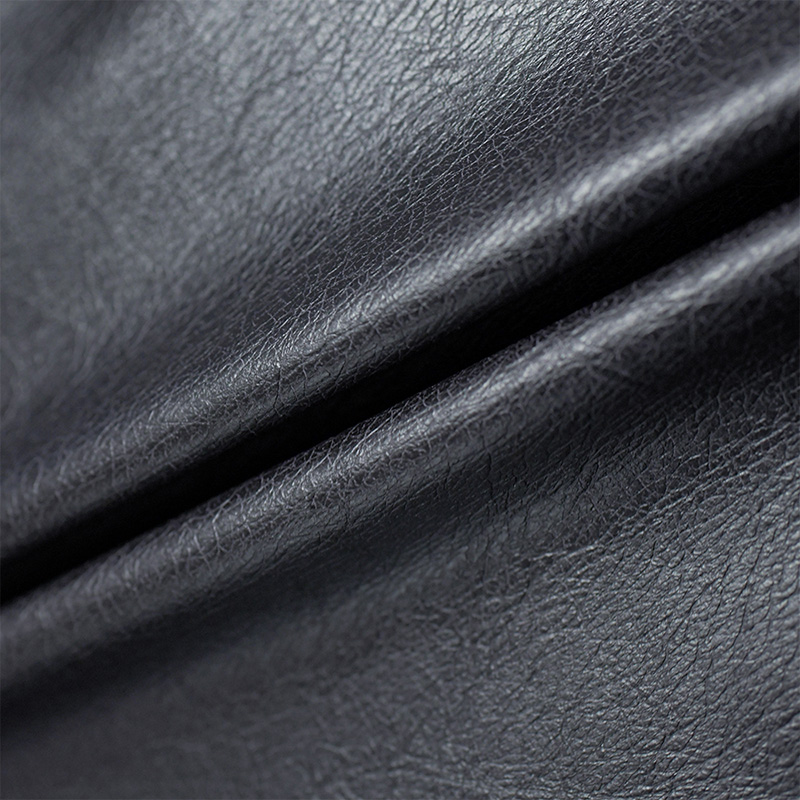
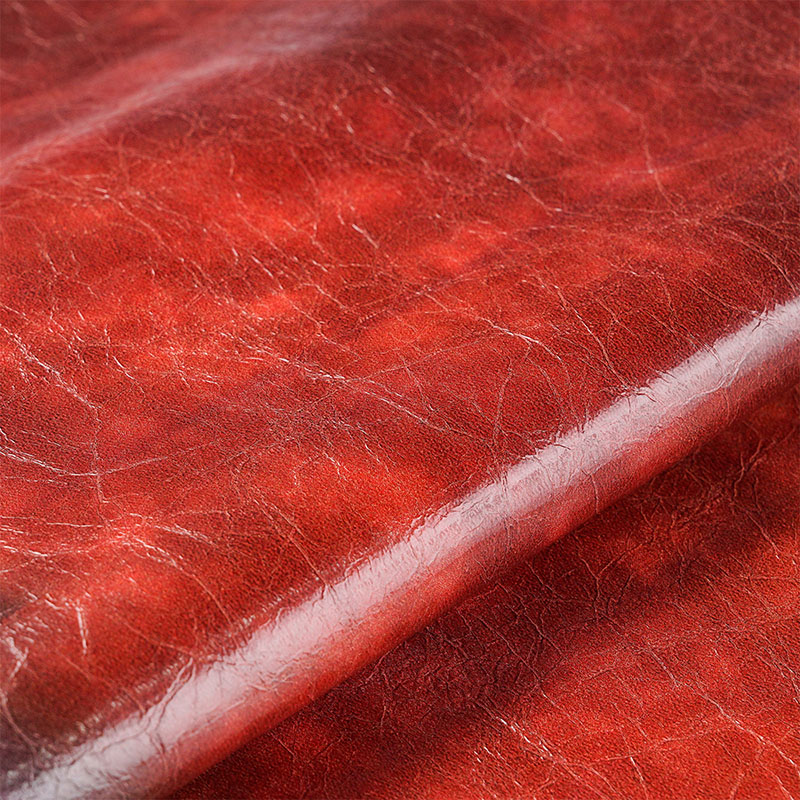
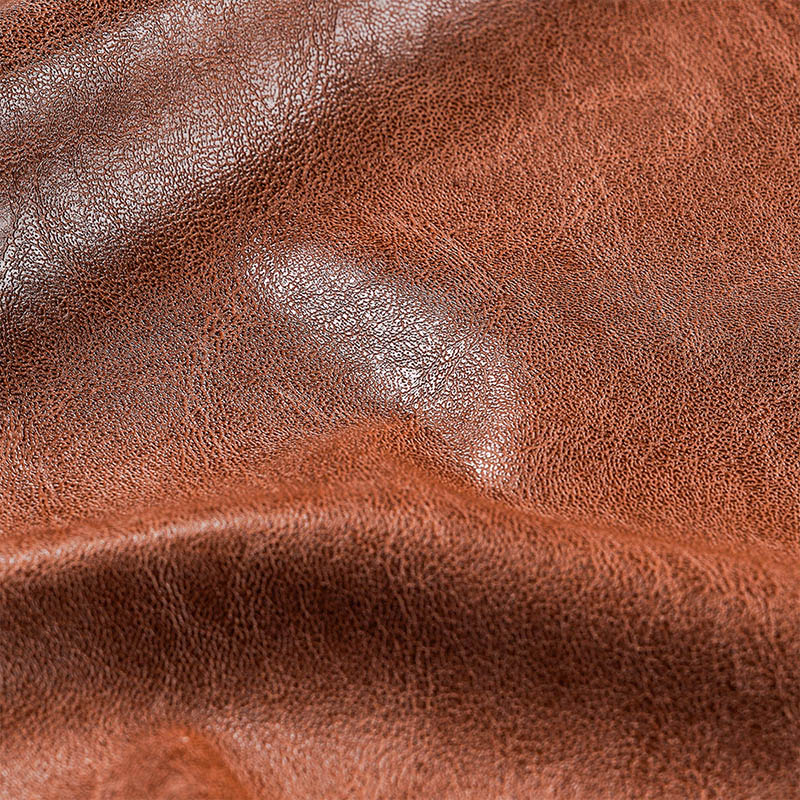
Sustainable material selection does not mean that appearance becomes less important. Grain pattern, color consistency, texture, softness, and surface uniformity can all influence the final product.
This is particularly relevant for brands developing interiors, furniture, footwear, or accessories where the material remains highly visible. A suitable Bio-Based Leatherette should therefore balance the desired visual effect with the mechanical requirements of the finished product.
Manufacturers can also help buyers evaluate whether a specific surface treatment is appropriate for cutting, sewing, bonding, embossing, or other downstream processes.
Ask for Application-Based Samples
A small material sample is useful, but testing should reflect the way the material will actually be processed.
Buyers can evaluate:
- Cutting behavior
- Sewing or bonding performance
- Stretching and forming
- Surface recovery after bending
- Resistance to ordinary handling
- Visual consistency after processing
This approach can reveal practical differences that may not be obvious from a specification sheet.
Sustainability Claims Need Technical Context
The term “bio-based” describes the origin of some material inputs, but it does not by itself describe every aspect of environmental performance or product suitability. Buyers should therefore ask for clear information about the material composition, bio-based content where relevant, manufacturing construction, and supporting documentation.
This is especially important because bio-based alternatives use different material approaches, and recent research has found substantial differences in their physical behavior.
For a manufacturer, transparent technical communication is therefore part of responsible material development.
Choose a Supplier That Understands the Finished Product
The right material should fit the complete manufacturing process rather than being selected simply because it carries a sustainable-material label. For overseas buyers, discussing the intended application, forming method, appearance requirements, durability expectations, and processing conditions with a Biobased Leatherette Supplier can make material selection more precise. As a manufacturer, focusing on the relationship between material structure and end use also helps buyers develop Bio-Based Leatherette solutions that balance design requirements with practical performance.